
Receipts attached 1 source
Sources
-
Other source
Official service information
Limits
Single operator source. Service conditions can change; consult the linked official page before travel or applying.
Corrections
No correction notes have been added for this article.
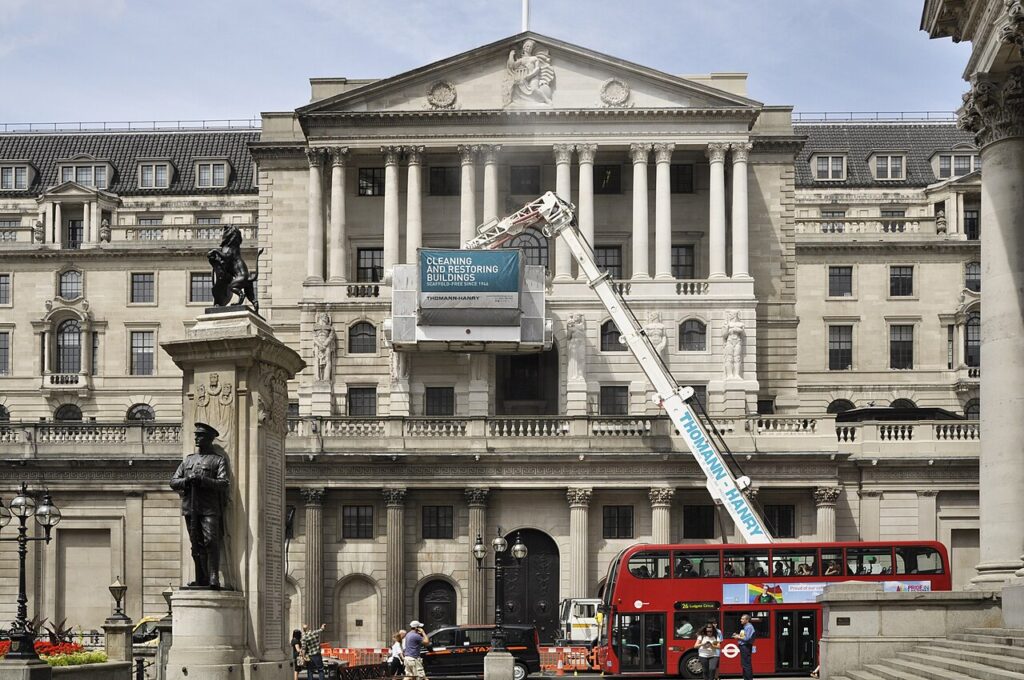
Bank of England Museum: The Bank of England Museum offers a way into the City’s financial history without buying a ticket. Its own visitor information describes a free museum about the institution’s history and its role in the economy today. For a London reader who encounters the Bank mainly through interest-rate headlines, the useful distinction is between visiting its public museum and attending an operational part of the central bank.
The museum entrance is on Bartholomew Lane, according to the Bank’s published address. That matters when planning the last part of the journey: the institution’s Threadneedle Street address and the museum’s visitor entrance are not interchangeable directions. Use the museum’s own visit page, rather than simply navigating to the Bank’s name.
Plan for a weekday, not an ordinary weekend
The museum lists normal opening from Monday to Friday, with weekends and bank holidays closed. Its separate Museum Lates program offers evening access on the third Thursday of the month, with booking recommended. Check the live listing before choosing a date. Special closures and last-entry times can make a short visit impossible even when the building’s normal hours appear to fit.
The collection introduction includes banknotes and bullion, while the museum’s website also links to a digital guide through Bloomberg Connects. These give a practical way to decide what to look for before arrival. A visitor interested in money as an everyday object can start with the collection; someone interested in the institution can start with the museum’s account of the Bank’s history.
Use the source for what it can establish
The Bank is both the subject and the operator of the museum. Its visitor page establishes the access arrangements it advertises, but it is not an independent assessment of the Bank’s policy performance. Treat a museum visit as an introduction, not a substitute for comparing the institution’s explanations with outside analysis.
For families and teachers, the same page points to education resources and a schools program. Check that route separately before organizing a group. Free general admission does not establish that every organized activity has space, that a particular exhibition remains on view, or that a school group can arrive without arrangements.
Official visitor and service information
Bank of England Museum: read the last-entry time
The normal timetable gives more precision than simply saying the museum is open on weekdays: 10 a.m. to 5 p.m., with last entry at 4:30 p.m. Museum Lates extends the third Thursday opening to 8 p.m., with last entry at 7:30 p.m. The Bank recommends booking for that evening event. A visitor arriving close to closing should calculate the remaining time from the entry cutoff rather than the time the doors finally close.
The current page also advertises a closure from 3 p.m. on Friday, November 27, 2026. That specific notice should take precedence over the normal weekday pattern when planning that date. These arrangements were checked October 10, 2026. They are the institution’s advertised schedule, not a guarantee against a later change, so reopen the visitor page before traveling.
For a group with mixed interests, the online collection introduction offers a way to agree on a starting point. One person may be interested in banknotes, another in bullion or the building itself. The museum lists a free exhibition about the creation of its Threadneedle Street building, as well as its digital guide. Check the relevant exhibition listing before making a particular display the purpose of the trip.
The educational distinction is worth retaining after the visit. An institution explaining its own history can provide objects, dates and its account of decisions, while a reader may still want an outside assessment of those decisions. That is a method of reading a museum critically, not a claim that its exhibits are misleading. Arrive with a question and leave with a clearer idea of what else you want to investigate.