
Receipts attached 2 sources
Sources
Limits
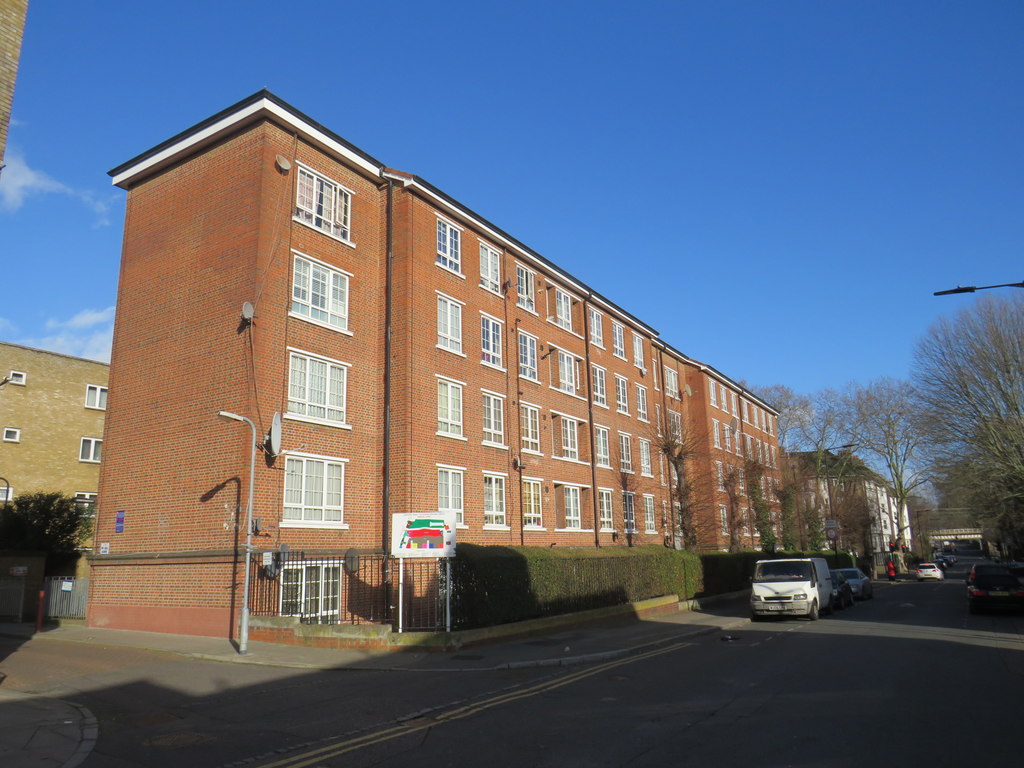
General guidance for private renters in England, not legal advice or an individual housing assessment. Council procedures and tenancy circumstances need checking. No pictured property is alleged to have a repair dispute.
Corrections
No correction notes have been added for this article.
A leaking ceiling and an unanswered message are two different pieces of a repair problem. Record the fault first: what happened, where it is and when you told the landlord. Then establish the route for getting it assessed. In London, that means identifying the council responsible for the property’s address, not whichever borough office appears first in a search.
The government’s private-renting repairs guidance says landlords are responsible for the structure and exterior, specified sanitary fittings and drains, heating and hot water, gas installations and electrical wiring. It also says they are usually responsible for common areas such as staircases, while advising tenants to check the agreement if uncertain.
Report the problem without inventing a remedy
The guidance tells tenants to contact the landlord about repairs or mould, immediately for faults that could damage health. It says the landlord should explain when repairs can be expected. Keep that response with your original report.
A useful record might include dated photographs, a short description and copies of messages. That is preparation advice, not a government-mandated evidence list. Describe what you can observe; do not diagnose structural or electrical causes on the strength of a photograph.
The same guidance says to continue paying rent while waiting and to carry out repairs yourself only where the tenancy agreement allows it. A frustrating delay does not turn this article into permission to withhold payment or commission work at the landlord’s expense. Seek advice about your own position before taking such steps.
Move from a city label to your own borough
If repairs are not done, GOV.UK directs tenants to their local council’s environmental health department. It says the council must take action if it thinks the problems could harm the occupant or cause a nuisance to others. That is an assessment by the authority, not an automatic outcome from submitting a report.
Use the official local-council finder for your address, then locate that council’s private-rented housing or environmental-health route. Save the case reference and ask which team owns the next step. National guidance explains the route; the council’s own process determines how you enter it.
Keep safety and ordinary follow-up distinct
For a home thought unsafe, the government page directs tenants to the council’s housing department for an assessment under the Housing Health and Safety Rating System. It says action is required where serious hazards are identified. This does not establish that any particular property meets that threshold.
Before following up, reduce the record to a chronology: fault, report, response, access arranged and what remains unresolved. A precise account is easier to assess than an inbox containing several versions of the same complaint.
Guide checked October 10, 2026. General guidance for private renters in England, not legal advice or an individual housing assessment. Council procedures and tenancy circumstances need checking. No pictured property is alleged to have a repair dispute.